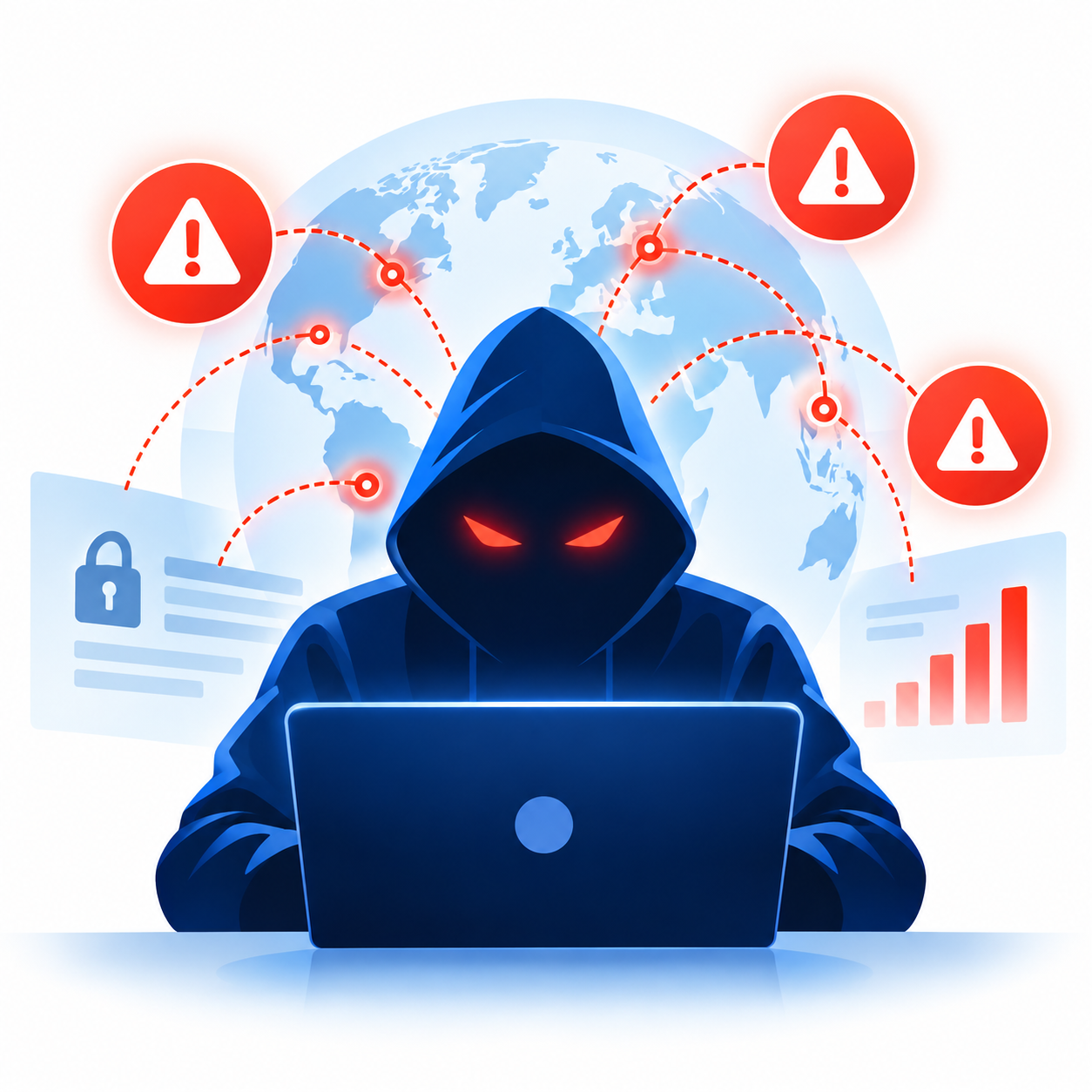
Cyber threats
A supplier reports a cyber incident. You want to know whether your services or data could be affected.

Real Risks. Real Decisions.
A Safer Tomorrow.
Know which supply chain risks need action.
See which disruptions and threats in your supply chain could affect critical business processes. Decide where to intervene sooner.
Cyber threats, outages, geopolitical tensions, reliance on Big Tech and changing legislation all demand attention. Meanwhile, your supply chain keeps changing. Every day you need to decide which developments could affect your operations and where to act first.
A supplier reports a cyber incident. You want to know whether your services or data could be affected.
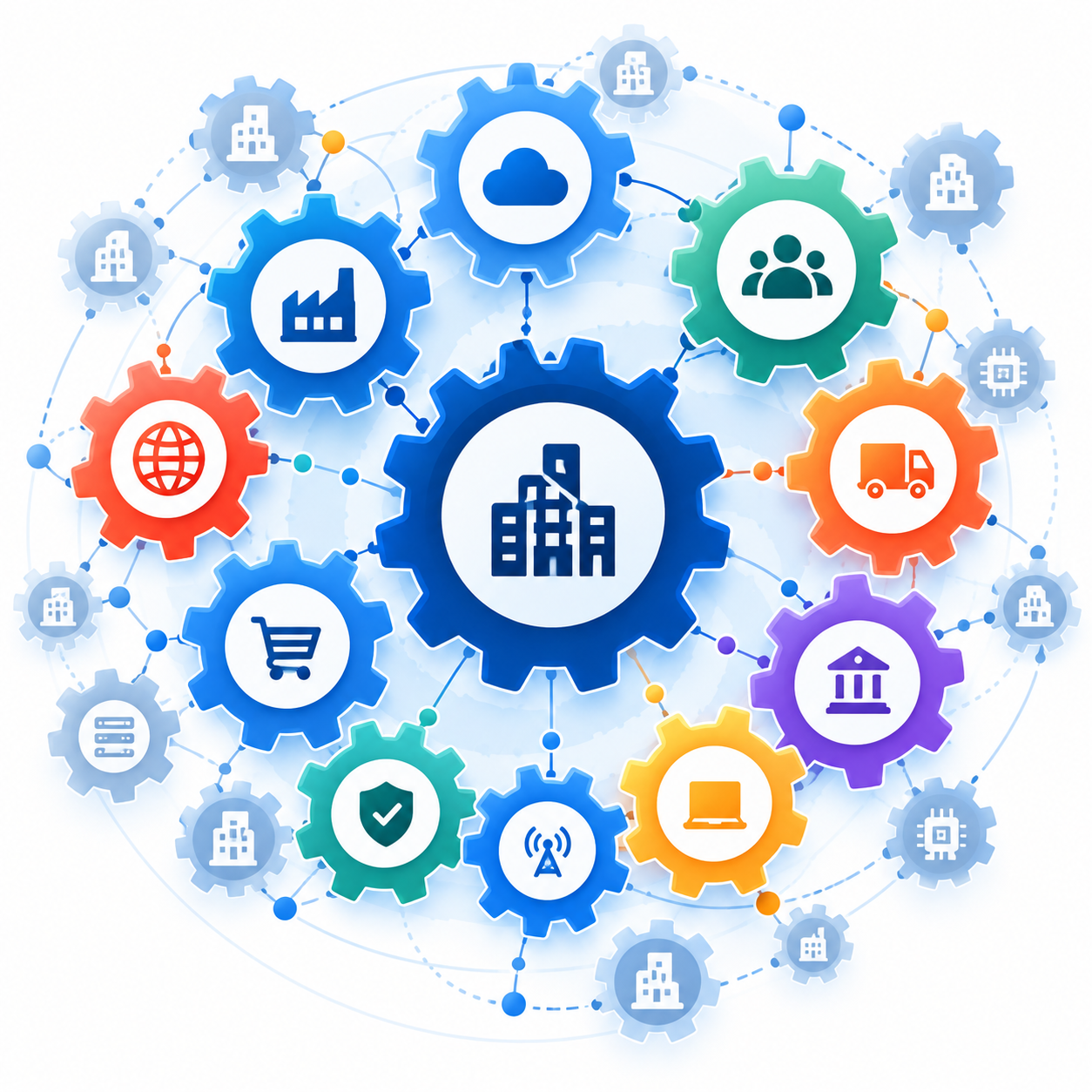
An external service goes down. Which processes rely on it, and where do they share dependencies?
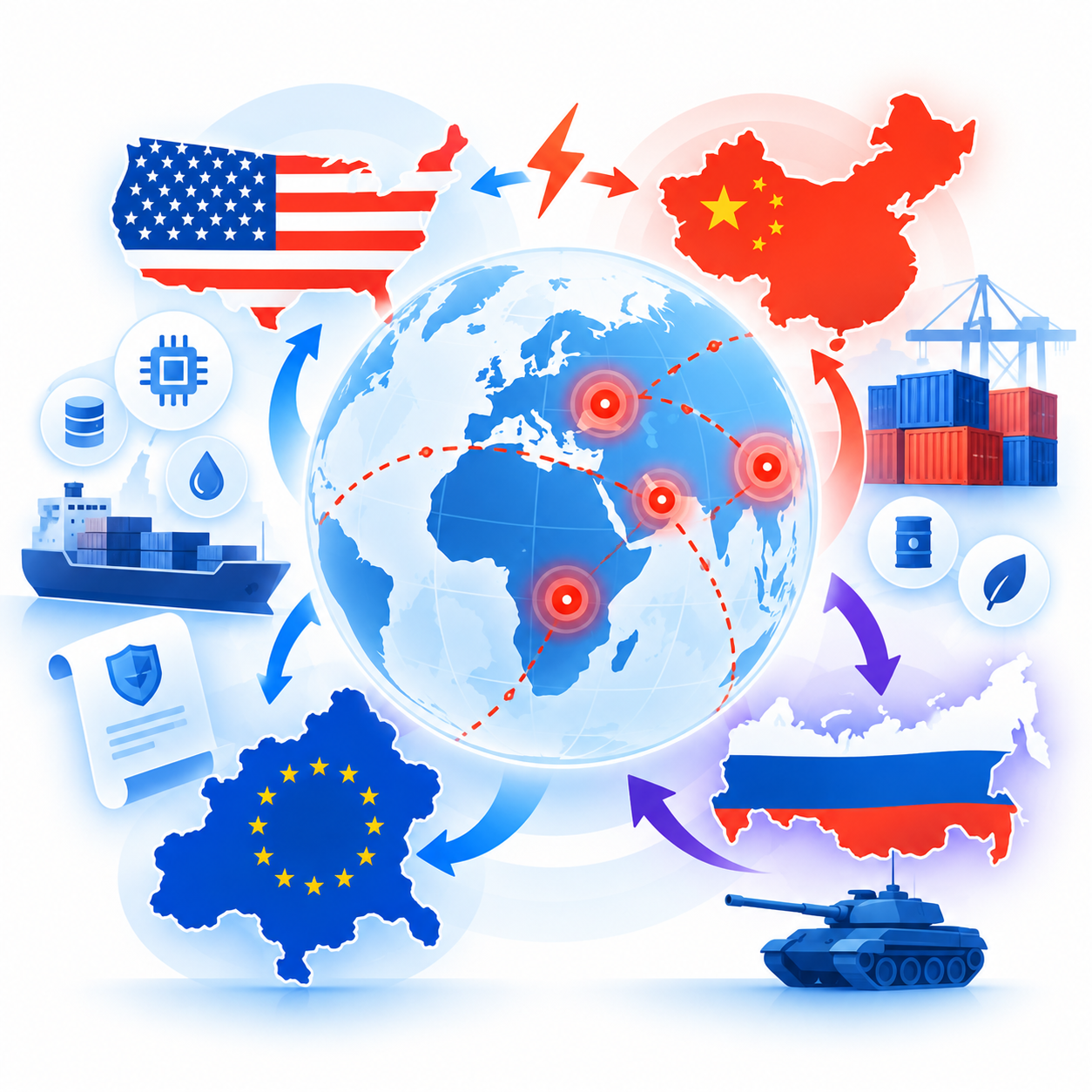
When international relations change, you need to know which overseas providers support your critical services.
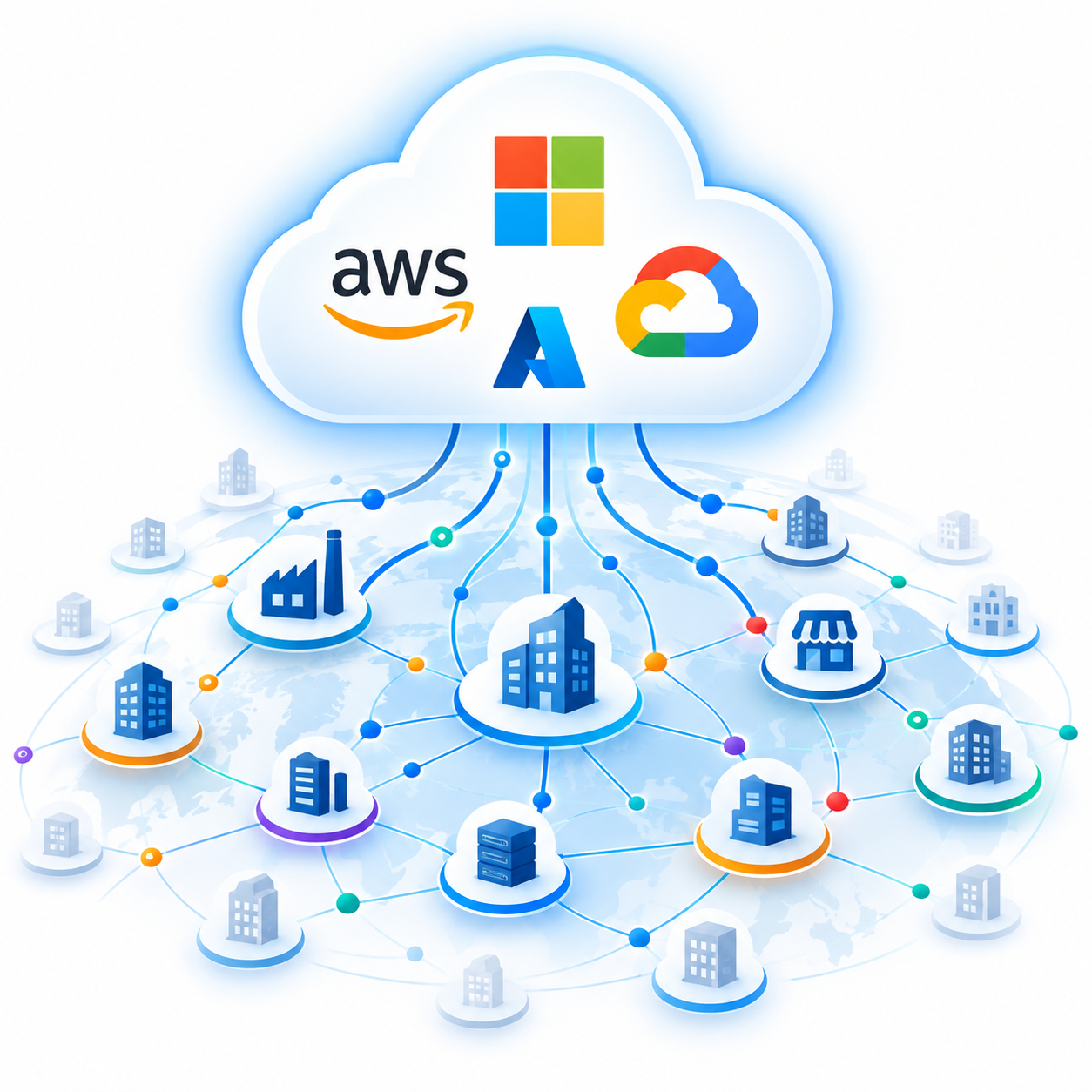
You use several suppliers. Do they all rely on the same cloud platform behind the scenes?
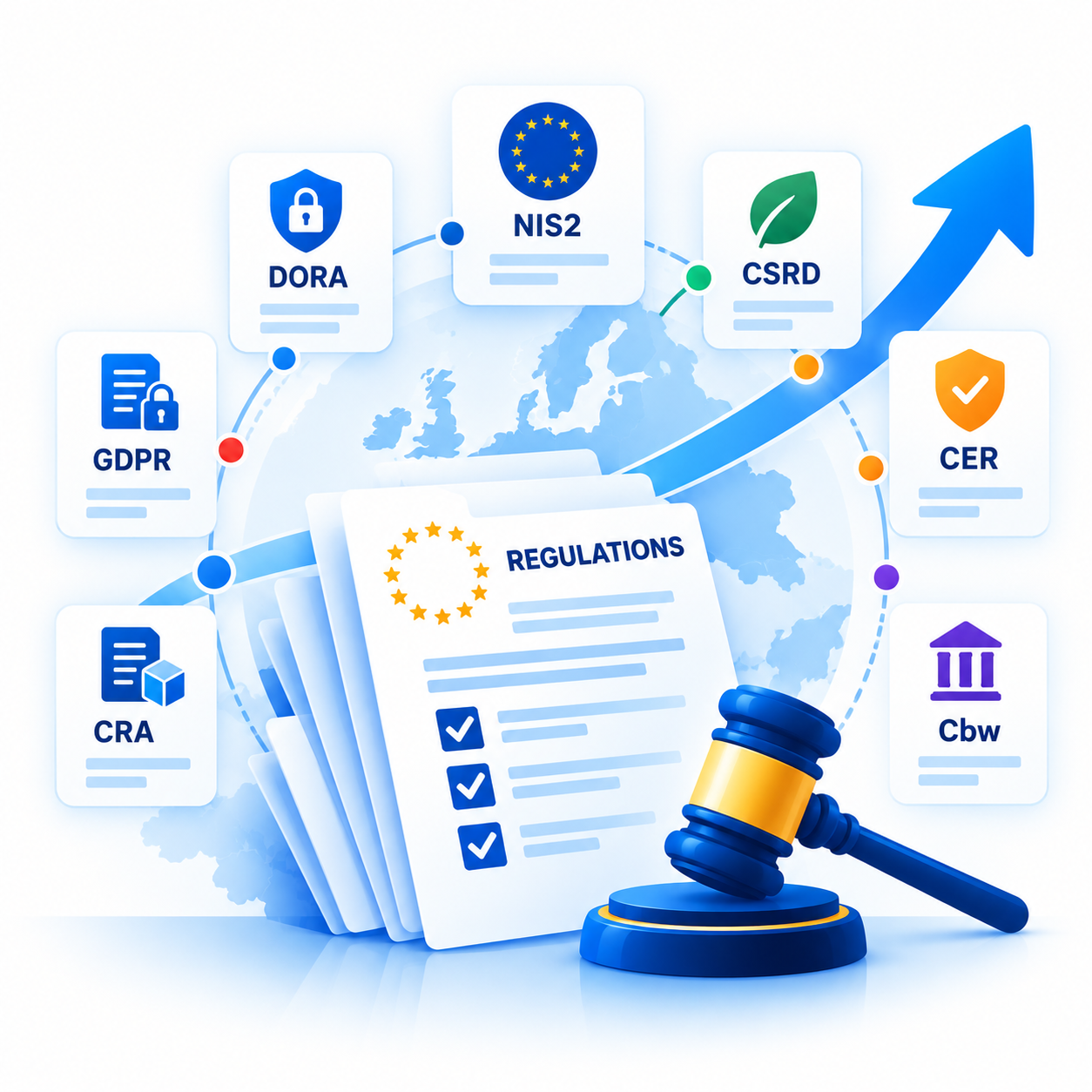
How do you turn NIS2, DORA and GDPR requirements into action across your supply chain and track what happens next?
You know your direct suppliers. Dependencies on the providers and services behind them are often harder to see.
A supplier switches platforms, a service goes down or a new signal warrants investigation. What could affect your organisation?
See which suppliers and signals matter most to your critical processes and who is following up.
Data breaches, outages and digital dependencies affect your operations and your budget. See what researchers and regulators have found and what their findings mean for your supply chain.
Share of large companies in the WEF survey
Of the largest companies by revenue, 65% cite third-party and supply chain vulnerabilities as their biggest cyber resilience challenge, up from 54% in 2025.
150% increase, from 6% to 15% of claims by value · Allianz cyber claims over €1 million
Supply chain business interruption rose from 6% of large cyber claims by value in 2024 to 15% in the first half of 2025, an increase of 150%. Both attacks and technical failures can cause these losses.
Share of breaches investigated that involved a third party · by DBIR edition
Third parties were involved in 48% of the breaches investigated, up from 30% in the previous DBIR. That is a 60% increase in one year. How well do you understand the risks outside your organisation?
Share of organisations surveyed
Of the organisations surveyed, 47% cite supply chain attacks as a future concern, second only to ransomware.
Share of organisations surveyed · figure 10
Of the organisations surveyed, 37% say supply chain risk management is one of the most difficult NIS2 requirements to implement.
 NCSCSupply chain risks
Suppliers, cloud providers and software components can affect your organisation. The Dutch National Cyber Security Centre recommends an approach that grows with your risk management capability.
Read the analysis AonAnalysis · June 2026
Contract value does not always reflect the damage an outage could cause. Aon calls for an understanding of financial impact and joint decisions by information security, procurement, finance and the board.
Read the analysis Government of the NetherlandsDigital autonomy vision · December 2025
The Dutch government highlights the risks of depending on a few foreign suppliers, including outages, cyberattacks and geopolitical pressure. Choosing providers and switching between them requires understanding those dependencies.
Read the analysis European CommissionICT Supply Chain Security Toolbox · February 2026
The Commission highlights the growing complexity of attacks on ICT supply chains. Its guidance covers critical suppliers, diversification and dependencies on high-risk suppliers.
Read the analysisMap suppliers, subcontractors and their dependencies. Organise your supply chain by business process, function and owner. RiskStudio connects current signals to those dependencies so you can see how an incident could reach you and which critical process to investigate.
See sooner which critical processes could be affected and take targeted action.
Find out where a single supplier outage could stop a process and arrange an alternative in time.
Turn NIS2, DORA and GDPR requirements into specific supply chain actions. Decide which suppliers to assess, who should follow up and how to track progress.
See which processes rely on suppliers in vulnerable regions and assess your alternatives early.
Identify suppliers that rely on the same platform and decide where you need an independent alternative.
In the Galaxy, trace a direct or indirect supplier to your own processes. Review signals about the providers involved and decide which supplier, service or region needs a closer look.
Start with your Crown Jewels, such as critical services or processes. Identify suppliers that share a provider and prioritise dependencies that could disrupt several processes.
Collect relevant Insights in a Report for the question at hand. Show which signals and relationships support your assessment and discuss next steps with management, process owners or suppliers.
Procurement maps suppliers and contacts, security investigates signals and process owners assess the impact. Teams can reuse the same Digital Twin for Initiatives with their own objectives and scope.
Real Risks. Real Decisions.
A Safer Tomorrow.
Bring one critical service, supplier or current concern. Together we will identify which dependencies to map first and what you need to know to make a decision.
The Galaxy shows how suppliers connect to your services. Use that same map to answer different questions. Define one question in an Initiative and select the Insights and Reports you need.
Risk covers uncertainties, threats and dependencies that could affect your objectives or service delivery. Where are you vulnerable, what requirements apply and how much control do you retain?
This goes beyond cybersecurity to continuity, operational resilience, digital sovereignty and compliance. Your question determines what you investigate and which decision you need to support.
In a design or architecture studio, people work on different projects with shared knowledge and resources. RiskStudio offers that kind of workspace for your organisation’s or clients’ risk questions.
Each question has its own objective. Use the same supply chain map and information as a starting point. Investigate signals with Insights, document findings in Reports and track changes with Monitor.
Shared building blocks for your question.
BEAM gives each initiative a way of working through Build, Explore, Analyse and Monitor. Build on what you know, discover what is missing, assess what it means and track changes.
A continuous cycle. New signals help you investigate further. You choose which companies to add to your supply chain and what to keep monitoring.
Real Risks. Real Decisions.
A Safer Tomorrow.
Record your risk question in an Initiative. Your Digital Twin and intelligence provide a reusable foundation across cyber resilience, continuity and compliance initiatives. What you build or discover for one question can help you answer the next. Keep enriching that foundation and tracking changes.

The cyber intelligence platform for visibility and monitoring in every supply chain. We provide insight into dependencies and monitor threats for smarter risk decisions.